To the Experts Corner
Why Good Teams Freeze in a Crisis


You’ve seen it happen: a spill, a fire alarm, a cyber breach, or a medical emergency. The people who are normally sharp, decisive, and calm suddenly go blank. Someone who is brilliant in the boardroom stands frozen in the incident room. It’s not incompetence — it’s biology.
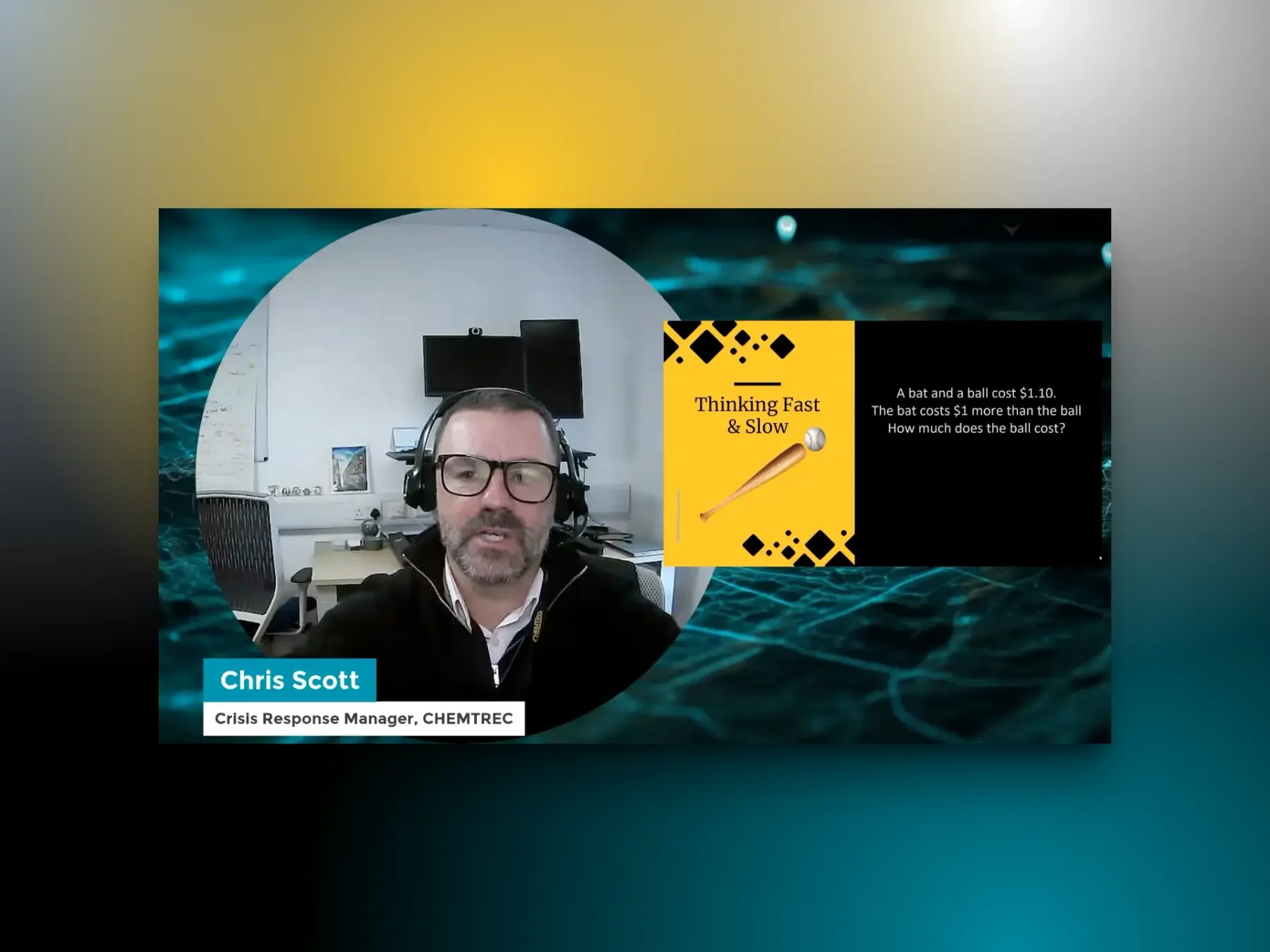
In a recent RAYVN webinar with Chris Scott, Crisis & Emergency Response Manager at CHEMTREC, with 30+ years leading chemical, terrorism, and major global responses, one audience question struck me:
“How do you train people who already admit they freeze in emergencies — and who doubt training will ever fix it?”
Chris has spent 30+ years responding to chemical incidents, terrorist events, and major disasters across five continents. His answer was direct, practical, and backed by hard-won experience.
Here’s exactly why good teams freeze — and the proven training and digital tool combination that finally breaks the cycle.
The Biology Behind the Freeze (It’s Not a Character Flaw)
When stakes skyrocket, your amygdala — the ancient “chimp”1 part of the brain — fires 20× faster than the rational prefrontal cortex.
Chris calls his own amygdala a gorilla. Most people default to fight, flight… or freeze.
Freezing is actually the most common response in sudden, high-consequence events. The brain is screaming “THREAT!” and shuts down higher-order thinking to protect you. The result? Even senior leaders with decades of experience can’t access the decision-making style they use every day.
Why Hierarchy Alone Makes It Worse
Chris put it bluntly:
“There is nothing commensurate between a person’s hierarchical position in an organisation and their ability to effectively manage crisis.”
The CEO who runs a $500 m chemical company perfectly in normal times is not automatically good at incident command when the plant is on fire. Without deliberate preparation, rank actually increases the freeze risk — because the expectation to “have the answer” collides with biological overload.
The Training Mistake 90 % of Companies Make
“Drill after drill after drill is not training.”
Running the same tabletop 17 times does not teach people how to handle real pressure — it just creates drill fatigue and false confidence.
Real training has three non-negotiable pieces:
- Crystal-clear role cards - Everyone must know exactly what they are responsible for the second an incident is declared — no debate, no “who wants to do what?”
- Pressure inoculation (progressive stress exposure) - Start calm, then deliberately add time pressure, incomplete information, and consequences until the freeze response is desensitised.
- Immediate, structured feedback (hot + cold debrief) - Capture raw emotion while it’s fresh (hot debrief), then analyse calmly 24–48 hours later (cold debrief).
Do those three things and the freeze response drops dramatically.
The Missing Piece Most Teams Still Ignore: A Real-Time Digital Backbone
Even perfectly trained people will freeze again if they have to:
- Guess who is doing what
- Chase information across WhatsApp, email, and phone calls
- Rebuild situational awareness from scratch
This is where a purpose-built critical event management solution changes everything.
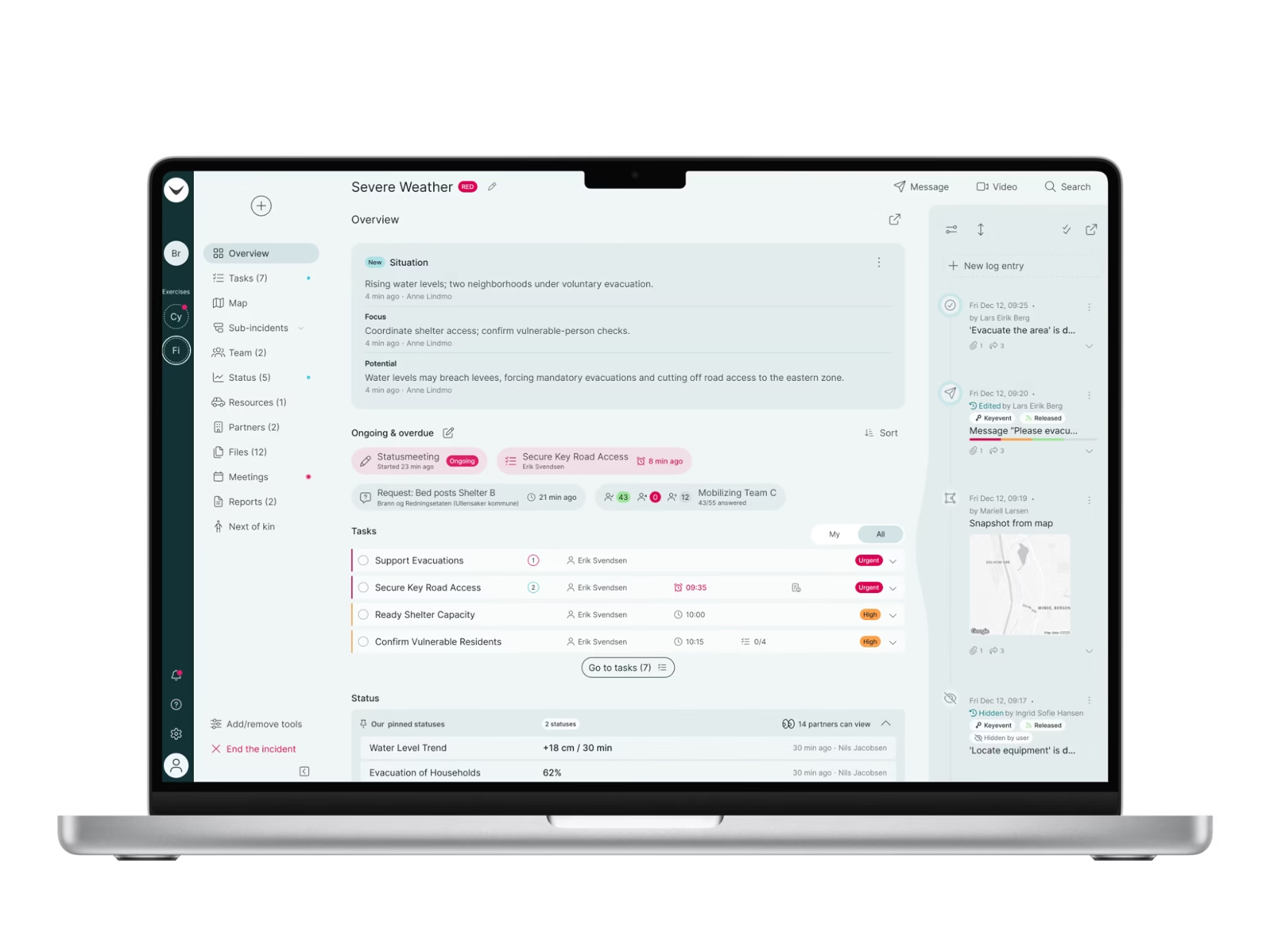
Chris describes RAYVN as his “virtual prefrontal cortex” — the calm, rational layer that slows the gorilla down and gives the human back control.
Specifically, RAYVN delivers the three things that kill freeze fastest:
- Pre-loaded roles and tasks → no discussion needed in the first five minutes
- One live log that everyone sees simultaneously → ends individual perception traps
- Automatic task assignment and status tracking → removes 90 % of the “who’s doing what?” chaos that triggers overload
Result? Teams stay in the ideal performance zone instead of sliding into the “zone of delusion” where they think they’re winning but aren’t.
Watch the full webinar for free
Cognitive overload can paralyze your team when disaster strikes. In this expert-led session, you will learn how to shift from a consultative mindset to decisive command leadership. Watch now to uncover the non-technical skills that prevent confusion and keep your response team in the ideal performance zone.
To the webinar
Talk to a RAYVN Expert
Don't just test a tool—optimize your strategy. Sit down with a RAYVN expert to verify our features meet your compliance needs and see how easy it is to manage complex incidents in real-time.
Get Started